
DIY Tips for Minor Collision Repairs at Home


Understanding Minor Collision Repairs
Minor collisions are common, and while they can be frustrating, they often result in cosmetic damage that you can fix yourself. By taking a DIY approach, you can save money and gain the satisfaction of restoring your vehicle’s appearance. Before diving into repairs, it's important to assess the damage and ensure it's safe to handle on your own.
Most minor repairs involve dents, scratches, and small paint chips. With the right tools and techniques, these issues can be addressed without professional help. However, if you're dealing with structural damage or anything that affects the vehicle's safety, it's best to consult a professional.
Gathering Your Tools and Materials
Before starting any repair, ensure you have all necessary tools and materials. Common tools for minor repairs include:
- Sandpaper
- Touch-up paint
- Primer
- Body filler
- Polishing compound
Additionally, safety gear such as gloves and goggles is essential to protect yourself during the repair process. Having everything on hand will streamline your workflow and prevent unnecessary interruptions.
Assessing and Preparing the Damage
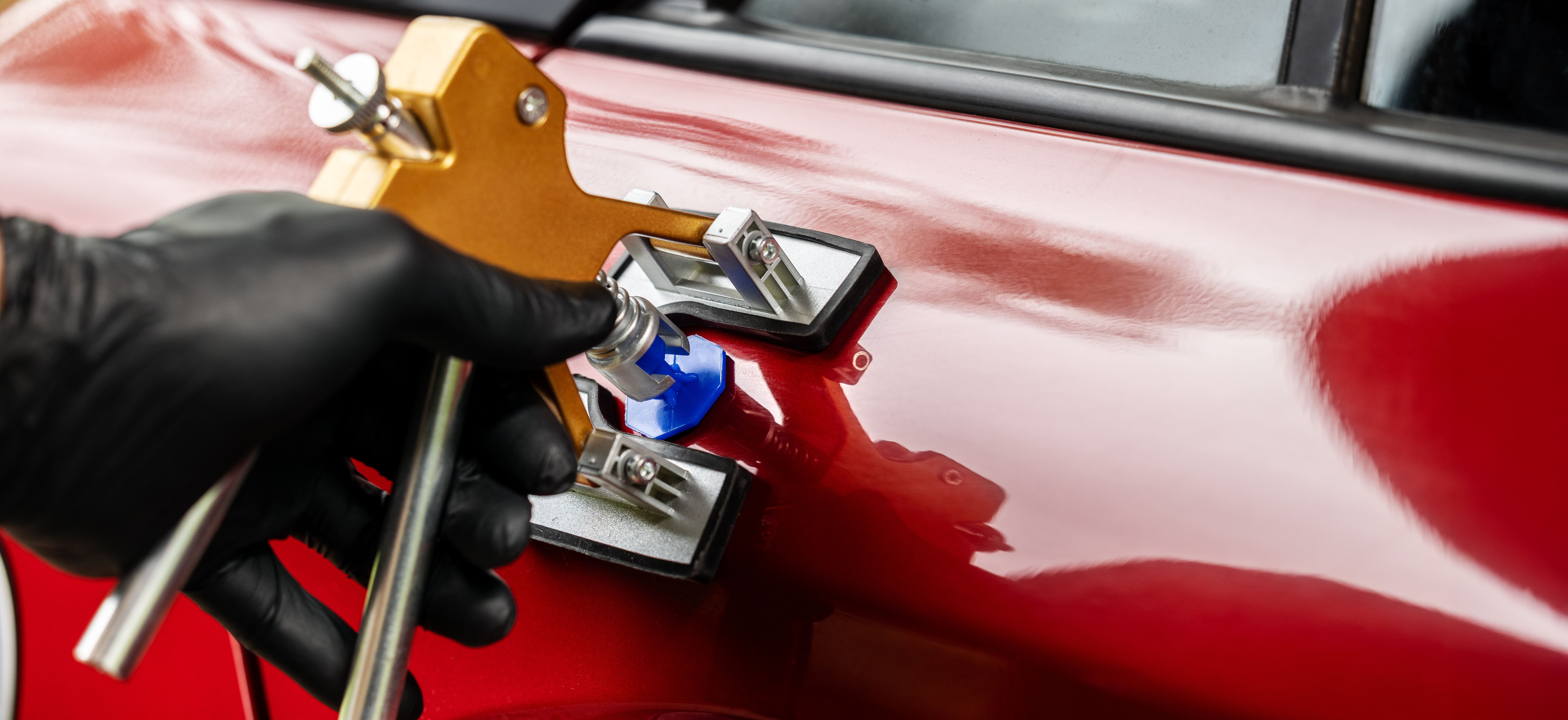
Begin by thoroughly cleaning the damaged area. Removing dirt and debris ensures a smoother repair process and better results. Once clean, assess the extent of the damage to determine the best repair method. For dents, you may need to use a plunger or a specialized dent removal tool to gently pop them out.
Repairing Scratches and Paint Chips
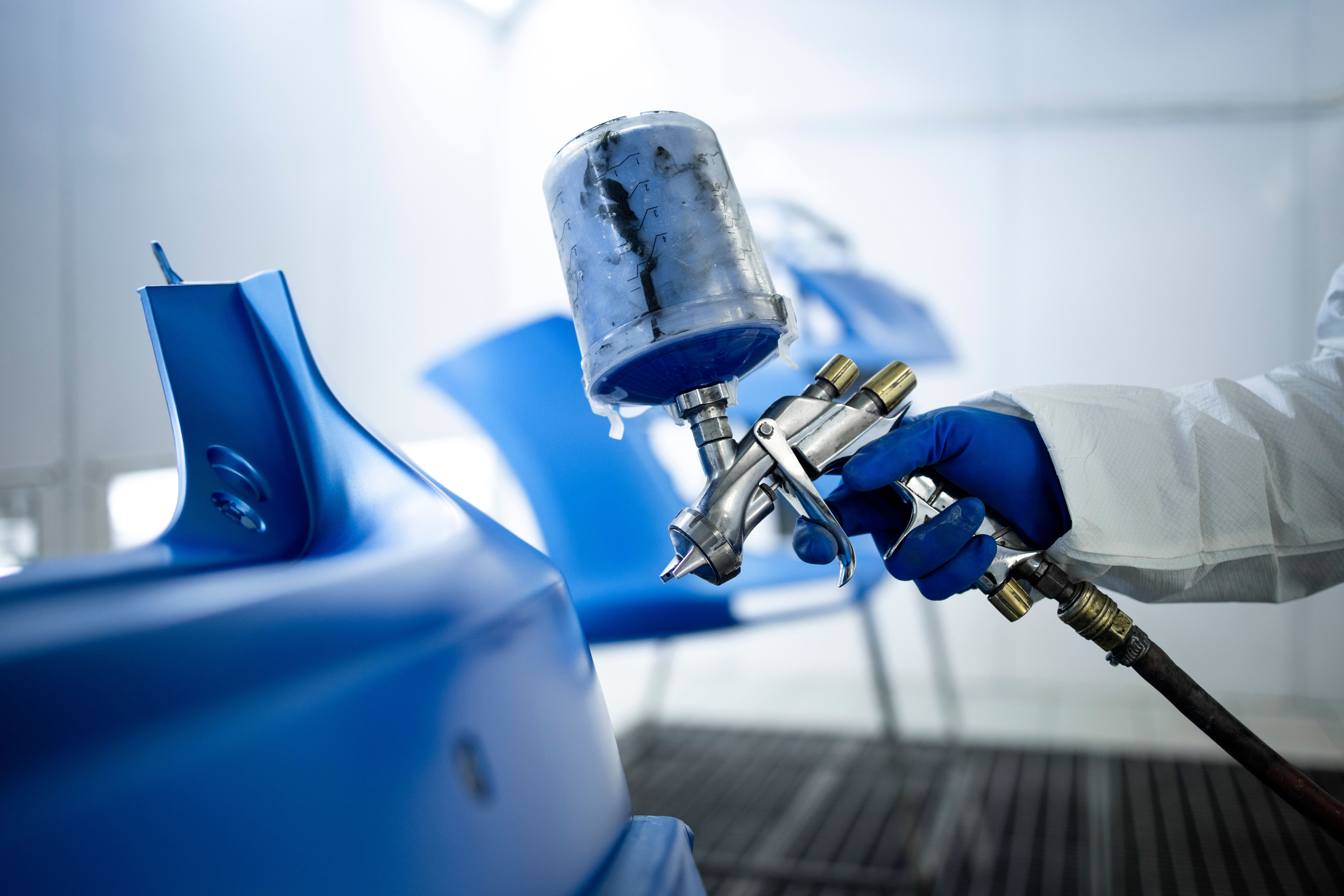
Scratches and paint chips require a careful approach to restore the car's finish. Start by sanding the area lightly to smooth out any rough edges. Apply a primer to the sanded area to ensure the touch-up paint adheres properly. Once dry, apply the touch-up paint in thin layers, allowing each layer to dry before applying the next.
After the paint has fully dried, use a polishing compound to blend the new paint with the existing finish. This step is crucial to achieve a seamless look. Buff the area with a clean cloth to enhance the shine and match the surrounding paint.
Dealing with Dents
For minor dents, a plunger or a hairdryer and compressed air can be effective. For the plunger method, apply water to the dent and the plunger, then push and pull until the dent pops out. Alternatively, use a hairdryer to heat the dent, then rapidly cool it with compressed air. This method works by expanding and contracting the metal.
Final Touches and Inspection
After completing the repairs, inspect the area to ensure everything is smooth and aligned. If any imperfections remain, repeat the necessary steps until you're satisfied with the result. A final wash and wax can enhance the vehicle's appearance and protect the repaired areas.
By following these DIY tips, you can effectively handle minor collision repairs at home. Remember, practice makes perfect, and with each repair, you'll gain confidence and skills to tackle future challenges.