
Case Study: How We Restored a Classic Car with Eco-Friendly Paint


Introduction to Eco-Friendly Car Restoration
Restoring classic cars is a labor of love that combines passion for automotive history with meticulous craftsmanship. However, traditional restoration methods often involve harsh chemicals and paints that can harm the environment. Our recent project focused on restoring a classic car using eco-friendly paint, demonstrating that it's possible to honor the past while protecting the future.
In this case study, we explore the process, challenges, and triumphs of using sustainable materials in classic car restoration. This journey not only revived a beautiful vehicle but also set a new standard for environmentally conscious restoration practices.
Choosing the Right Eco-Friendly Paint
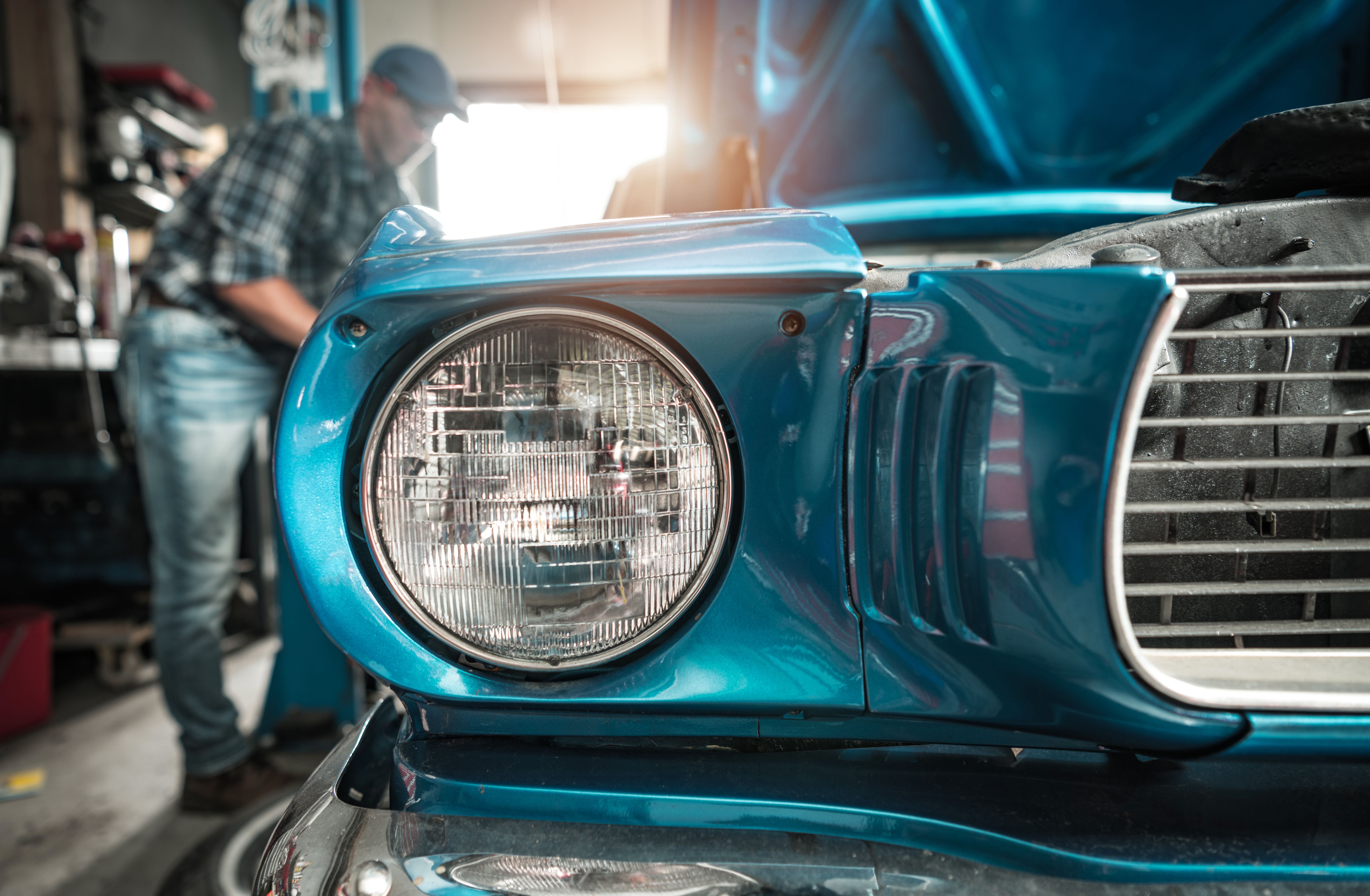
One of the most critical steps in the restoration was selecting the right eco-friendly paint. Traditional automotive paints often contain volatile organic compounds (VOCs) that contribute to air pollution. We opted for water-based paints, which significantly reduce VOC emissions while still providing a durable and vibrant finish.
Our team conducted extensive research to find a supplier that offered a wide range of colors and finishes without compromising on quality. The paint we chose was not only environmentally friendly but also resistant to UV rays and weathering, ensuring the classic car's beauty would endure.

Preparation and Application Process
Preparing the car for painting involved several eco-conscious steps. We used biodegradable cleaners and sanding materials to minimize environmental impact. These products were just as effective as their traditional counterparts, proving that sustainability doesn't mean sacrificing quality.
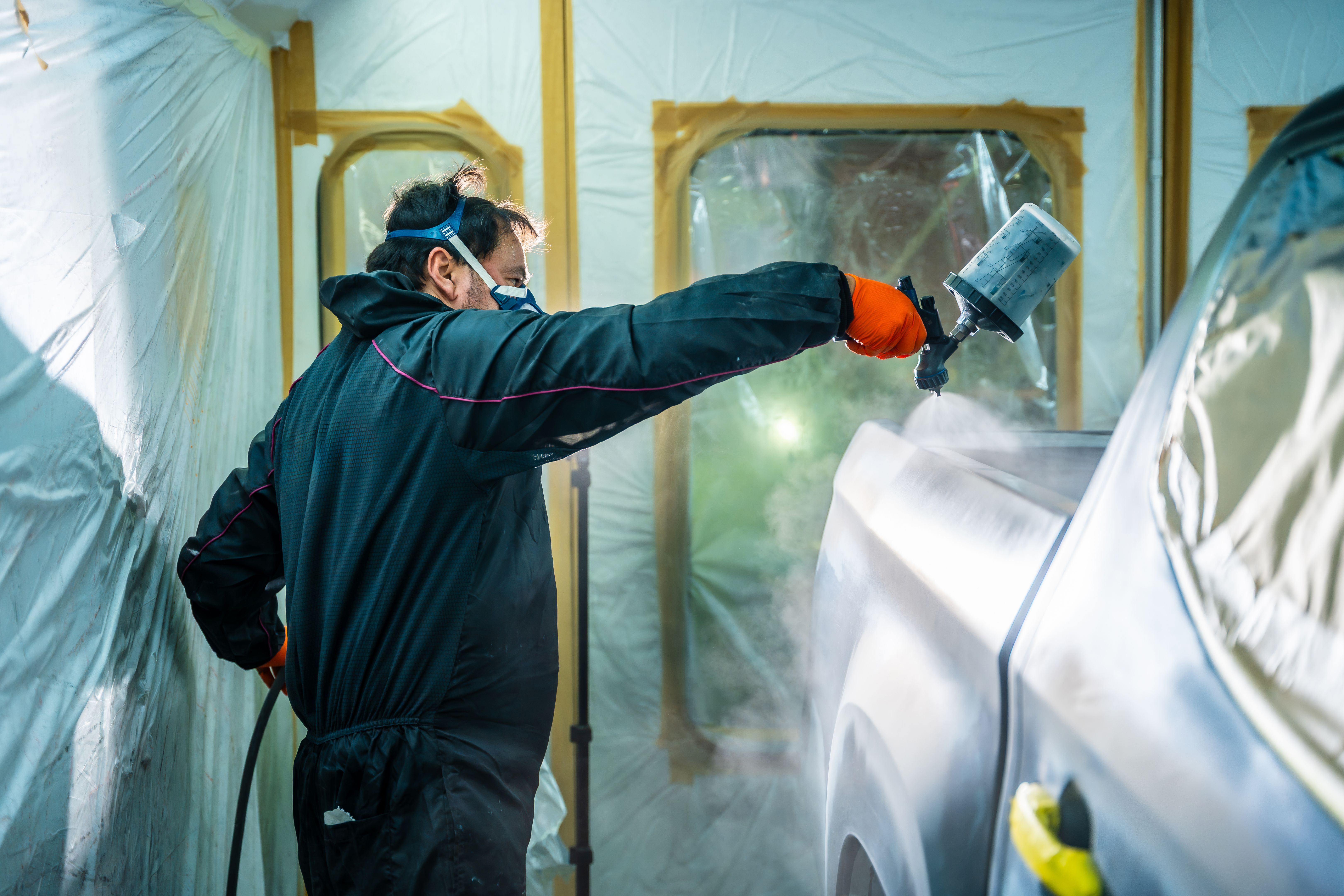
The application process required precision and expertise. Our team utilized advanced spray techniques to ensure even coverage, reducing waste and overspray. By using high-efficiency equipment, we maximized paint usage and minimized environmental impact.
Overcoming Challenges
While the project was rewarding, it wasn't without its challenges. One major hurdle was ensuring that the eco-friendly paint adhered properly to the car's surface. Traditional paints often have additives that enhance adhesion, which are absent in greener alternatives.
To address this, we applied a specialized primer that was compatible with our chosen eco-friendly paint. This primer not only improved adhesion but also enhanced the overall appearance of the finished product.
The Final Result
The culmination of our efforts was a stunning classic car that retained its vintage charm while boasting a modern, eco-friendly finish. The water-based paint provided a deep, lustrous shine that highlighted the car's elegant lines and intricate details.
Our commitment to sustainability did not detract from the car's aesthetic appeal. Instead, it added an extra layer of satisfaction, knowing that we preserved a piece of automotive history without compromising the environment.
Lessons Learned and Future Implications
This project taught us valuable lessons about the viability of eco-friendly materials in classic car restoration. We learned that with careful planning and execution, sustainable practices can produce results that rival traditional methods.
Moving forward, we are committed to continuing this eco-friendly approach in future projects, setting an example for others in the industry. By sharing our experiences, we hope to inspire more restorers to consider sustainable options.

Conclusion
Restoring a classic car with eco-friendly paint was a fulfilling endeavor that combined our passion for vintage vehicles with a commitment to sustainability. This case study illustrates that it is possible to embrace green practices without sacrificing quality or beauty.
As more enthusiasts and professionals recognize the importance of environmentally conscious restoration, we anticipate a shift towards greener methods in the industry. Together, we can preserve the legacy of classic cars while protecting the planet for future generations.